
What Are Trailer Spotting Services and Why Do Dallas Distribution Centers in Dallas, TX, Need Them?
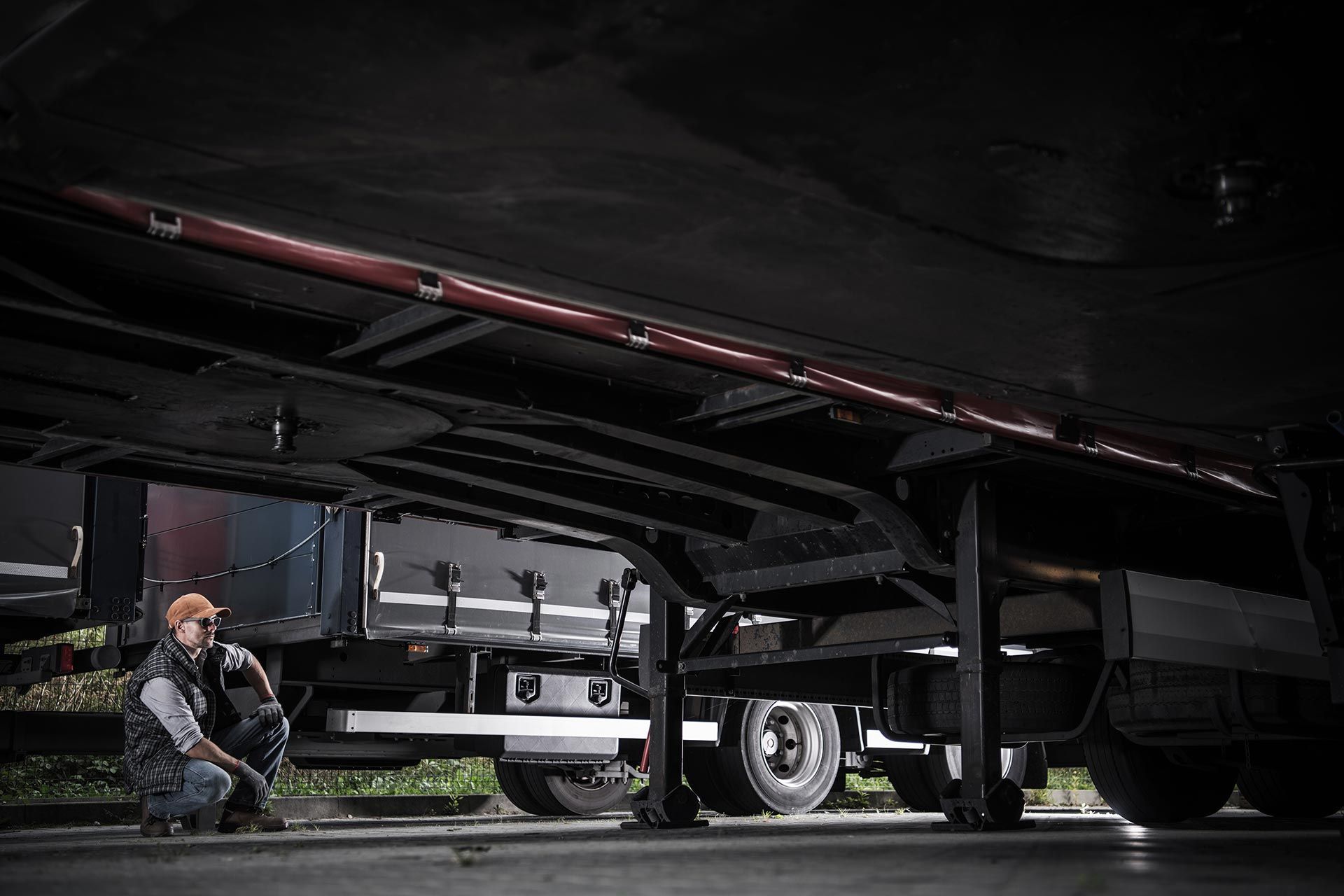
Trailer spotting services are a critical but often overlooked part of how distribution centers in Dallas keep freight moving without costly slowdowns. This article explains what these services involve, how they differ from yard jockey operations, and why facilities across the Dallas-Fort Worth region may benefit from making them a core part of their yard management strategy.
What Trailer Spotting Services Actually Are
Trailer spotting services keep distribution center yards organized and dock doors productive. Spotting is the process of moving trailers within a yard so they are positioned at the right dock door at the right time. A trained spotter uses a terminal tractor or yard truck to hook up to a trailer and move it from a staging area to a dock, or from a dock back to storage. The goal is simple: no trailer should be sitting in the wrong place while a dock door sits empty.
Many people use the terms "trailer spotting" and "yard jockey" interchangeably. Both describe moving trailers within a facility boundary. The practical difference comes down to scope. Yard jockey services may focus on a single recurring task like clearing outbound lanes at the end of a shift. Trailer spotting services typically cover the full cycle of yard movement, including pre-positioning trailers before a shift begins, rotating empties out of priority spots, and staging inbound loads in the correct sequence for the warehouse team.
That difference matters for any distribution manager planning a yard management Dallas strategy. A facility that only uses a yard jockey for end-of-shift moves may still experience bottlenecks earlier in the day because no one is actively managing trailer flow to open docks.
Why Dallas Distribution Centers Face Unique Pressure
Dallas is one of the most active logistics markets in the country. The DFW metroplex sits at the intersection of I-20, I-30, and I-35, giving distribution centers direct access to all parts of the continental United States. The Dallas Logistics Hub in southern Dallas County covers roughly 6,000 acres and hosts significant distribution and manufacturing space. Submarkets along the Stemmons corridor, South Dallas and I-45, and the Great Southwest industrial area handle a large share of regional and national distribution activity.
That volume creates yard pressure that smaller markets do not face. When a facility receives a high number of inbound loads daily, mismanaged trailer positioning compounds quickly. Each trailer sitting in the wrong spot can delay an entire shift.
Detention fees add another layer of urgency. When a carrier's driver is held because a dock is not ready, the facility typically absorbs those charges, which can accumulate significantly across dozens of daily shipments. Streamlined trailer spotting services serving Dallas help reduce the dwell time that triggers those charges by ensuring trailers reach assigned docks before drivers are left waiting.
How Spotting Improves Dock Throughput
Professional trailer spotting directly improves how many loads a distribution center can process per shift. When trailers are pre-staged at the dock, warehouse teams start loading or unloading immediately rather than waiting for a driver to maneuver into position. Facilities benefit in several specific ways:
- Dock doors remain occupied with the right trailers rather than sitting empty between moves.
- Inbound loads are sequenced to match warehouse workflow priorities.
- Outbound trailers are staged and ready before a carrier arrives for pickup.
- Empty trailers are repositioned or removed from priority areas without interrupting warehouse operations.
- Carriers experience shorter turn times, which improves long-term carrier relationships.
When the North Texas storm season or holiday freight surges hit, a well-organized yard can be the difference between keeping commitments and falling behind.
Trailer Spotting vs. Internal Driver Moves
Some distribution centers rely on their own over-the-road drivers to spot trailers before or after routes. That approach creates friction. A road driver's primary job is hauling freight. Asking that driver to manage yard moves pulls them away from revenue-generating work and can introduce safety concerns in a busy yard environment.
Professional spotters specialize in this exact task. They know the yard layout, understand dock scheduling requirements, and operate equipment designed for tight maneuvering. That specialization reduces the risk of dock accidents and means yard moves happen faster and with better coordination.
For distribution centers along active Dallas corridors such as I-35E or the South Dallas industrial zone, the volume of trailers on any given weekday can make internal driver moves impractical by mid-morning. A dedicated spotting team absorbs that workload without disrupting warehouse staff or road driver schedules.
Connecting Yard Management to a Stronger Supply Chain
Effective yard management Dallas operations extend beyond moving trailers from point A to point B. When spotting is handled professionally, the benefits ripple through the entire supply chain. Inventory control improves because priority freight can be positioned first. On-time delivery metrics improve because loads are ready when the carrier arrives. Labor costs inside the warehouse can drop because dock teams spend their time on actual loading and unloading rather than waiting.
The DFW area's role as a central distribution hub for the southern United States means delays at one facility can affect downstream deliveries across multiple states, with real consequences for end customers.
Check our Google Profile to see how we serve distribution operations across the Dallas-Fort Worth area and beyond.
Ready to Improve Yard Operations?
Vision Quest Logistics brings professional, scalable trailer spotting services to distribution centers serving Dallas, TX. Whether your facility handles dozens of trailers daily or manages a high-volume yard across multiple shifts, our team can help reduce detention exposure, improve dock throughput, and keep your yard organized around the clock.
Our 24/7 availability means your yard never goes unmanaged during critical shift transitions or late-night receiving windows. To learn more or request a quote, visit our logistics inquiry page.